What Valuers Look For: Brisbane-Specific Factors You Can’t Ignore
Are you confident you know what determines the value of your property in Brisbane?
Whether you’re a homeowner preparing to sell, an investor planning your next move, or a buyer hoping to assess a property's true worth, understanding how valuation works is a smart step forward. Property valuation is more than just looking at square metre size or recent sales—it’s shaped by localised insights, current data, and suburb-specific nuances.
In this blog, we’ll explore the key elements that may influence
property valuations in Brisbane, offering a clearer view of how valuers form their assessments across the city’s diverse suburbs and housing stock.
The Role Of A Property Valuation
Before diving into Brisbane’s specifics, it helps to understand what a property valuation is—and what it isn’t. A valuation is an independent, evidence-based estimate of a property’s market value at a given point in time. It’s commonly used for:
- Mortgage lending or refinancing.
- Pre-sale preparation or negotiation support.
- Investment analysis or portfolio reviews.
- Legal matters such as family law or probate.
Unlike an agent’s appraisal, a formal valuation must comply with strict standards and is carried out by a qualified valuer who takes a detailed and impartial approach.
Now, let’s look at the Brisbane-specific factors that can influence this process.
Suburb Trends & Localised Demand
Brisbane is not a single property market. Each suburb has its own dynamics, influenced by infrastructure, proximity to the CBD, school catchments, and lifestyle appeal. Valuers closely analyse:
- Recent comparable sales within the immediate area.
- Median prices and time-on-market trends.
- Buyer demographics and demand indicators.
For example, suburbs like Paddington, Wilston, and Coorparoo may attract strong buyer interest due to their proximity to the CBD and established amenities. On the other hand, outer suburbs like Redbank Plains or Deception Bay might have different value drivers and risks.
Flood Risk & Weather Events
Brisbane’s history of flooding makes this a major factor in valuations. Properties within flood-prone zones—even if unaffected in the last major flood—are often subject to lower valuations due to potential insurance costs and resale hesitations.
Valuers typically access Brisbane City Council flood maps and refer to past event data to evaluate:
- Overland flow risk and past flood exposure.
- Floor height relative to flood benchmarks.
- Insurance premiums and accessibility post-weather events.
This is especially important in suburbs such as Rocklea, West End, and Fairfield, where historical flooding has had a visible impact on property pricing.
Property Layout & Renovation Quality
Valuers don’t just look at how many bedrooms or bathrooms a property has—they also assess how usable and functional the layout is for modern lifestyles. Open-plan living, outdoor entertaining areas, and high-quality finishes may support stronger values.
Key factors include:
- Kitchen and bathroom upgrades.
- Structural extensions or legalised granny flats.
- Natural light, orientation, and airflow.
- Compliance with council approvals and building standards.
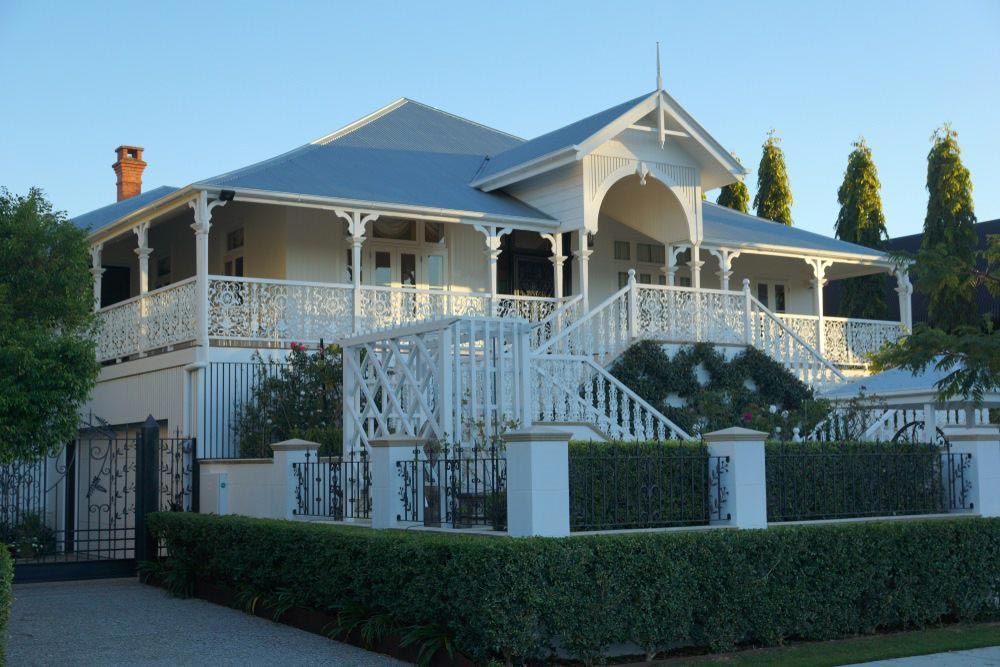
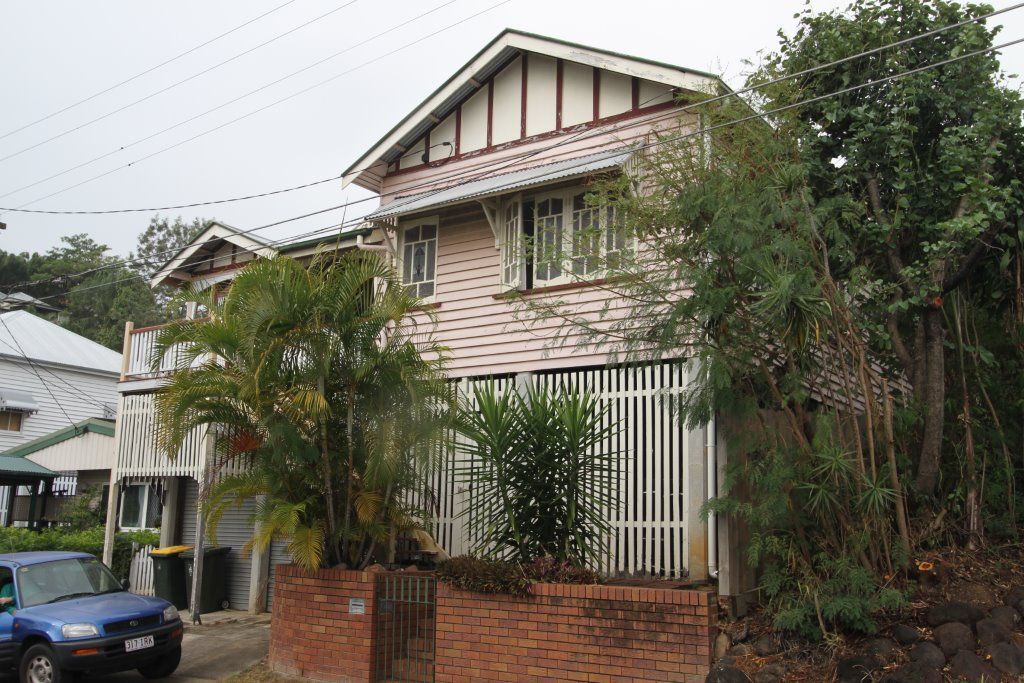
For example, a tastefully renovated Queenslander in a heritage suburb may command a higher value than a similarly sized but dated property nearby.
Proximity To Public Transport & Road Infrastructure
Brisbane’s property market places increasing value on transport access. Valuers often factor in how well-connected a property is to key routes and services such as:
- Train stations, busways, and ferry terminals.
- Major arterial roads like the M1 or the Gateway Motorway.
- Future infrastructure upgrades, such as Brisbane Metro or Cross River Rail.
Suburbs well-serviced by public transport or with reduced commuting times often reflect stronger valuations. Areas like Greenslopes, Annerley, and Nundah have benefitted from improved connectivity in recent years.
Land Size, Zoning & Development Potential
Especially in investor-heavy areas, land attributes play a significant role in property valuations in Brisbane. Valuers will assess:
- Total land size and shape.
- Zoning (e.g. Low, Medium, or High-Density Residential).
- Development restrictions or opportunities under the Brisbane City Plan.
Properties with subdivision potential or dual-occupancy capability often carry greater market value. This is a key consideration for developers, particularly in growth corridors such as Chermside, Everton Park, and parts of Logan.
Condition Of Improvements
Valuers will conduct a detailed assessment of the property’s physical condition, which includes the main dwelling and any ancillary improvements like pools, fences, sheds, or granny flats.
They look for:
- Signs of structural integrity or deterioration.
- Pest damage, water ingress, or poor maintenance.
- Overall presentation and upkeep.
Even if a property is located in a high-demand suburb, poor upkeep can affect its valuation significantly. A freshly painted exterior, well-maintained gardens, and functional utilities may positively influence the outcome.
Title, Easements & Legal Considerations
A Brisbane-specific valuation also involves reviewing the property’s title. Encumbrances such as easements, rights of way, or covenants can limit usage and affect marketability.
Valuers check:
- Registered easements for sewer, stormwater, or access.
- Shared driveways or building encroachments.
- Lease agreements or tenancy conditions (if investment property).
Clear and unencumbered titles generally support stronger valuations, especially when buyers are cautious about future usage constraints.
Market Timing & Economic Outlook
Brisbane’s property market has seen considerable movement over recent years, with changes influenced by interstate migration, interest rates, and government incentives.
At the time of a valuation, market sentiment plays a role in determining achievable value. Valuers consider:
- Macro trends such as supply and demand imbalance.
- Interest rate environment and lending policy shifts.
- Comparable listings and buyer activity in the area.
Even highly desirable properties may be affected by broader market slowdowns, so the timing of a valuation matters—especially for those planning to refinance or sell.
Market Timing & Economic Outlook
Brisbane’s mix of architectural styles, varied geography, and split inner-outer ring market makes it a complex city to assess at a glance. This is why valuations performed by professionals familiar with Brisbane’s suburbs and regulatory environment carry more weight—particularly for:
- Homeowners needing accurate figures for loan or sale purposes.
- Investors gauging potential in fast-evolving growth areas.
- Buyers seeking an independent check against a seller’s asking price.
A skilled valuer with strong local insight can make meaningful adjustments that reflect on-the-ground realities—something an out-of-town generalist might overlook.
Book A Property Valuation In Brisbane Before You Sell Or Refinance
Understanding the Brisbane-specific factors that may influence property valuations can help you make better decisions—whether you're selling, buying, refinancing, or investing. From flood risk and suburb appeal to zoning and local infrastructure, valuers draw on a wide range of indicators to determine your property’s worth.
At Peterson Property Valuation, we offer property valuation services for Brisbane homeowners, investors, and buyers. Contact us to request a property valuation that is aligned with your current needs.